LBI Commercial Real Estate
Unlocking Opportunities on Long Beach Island




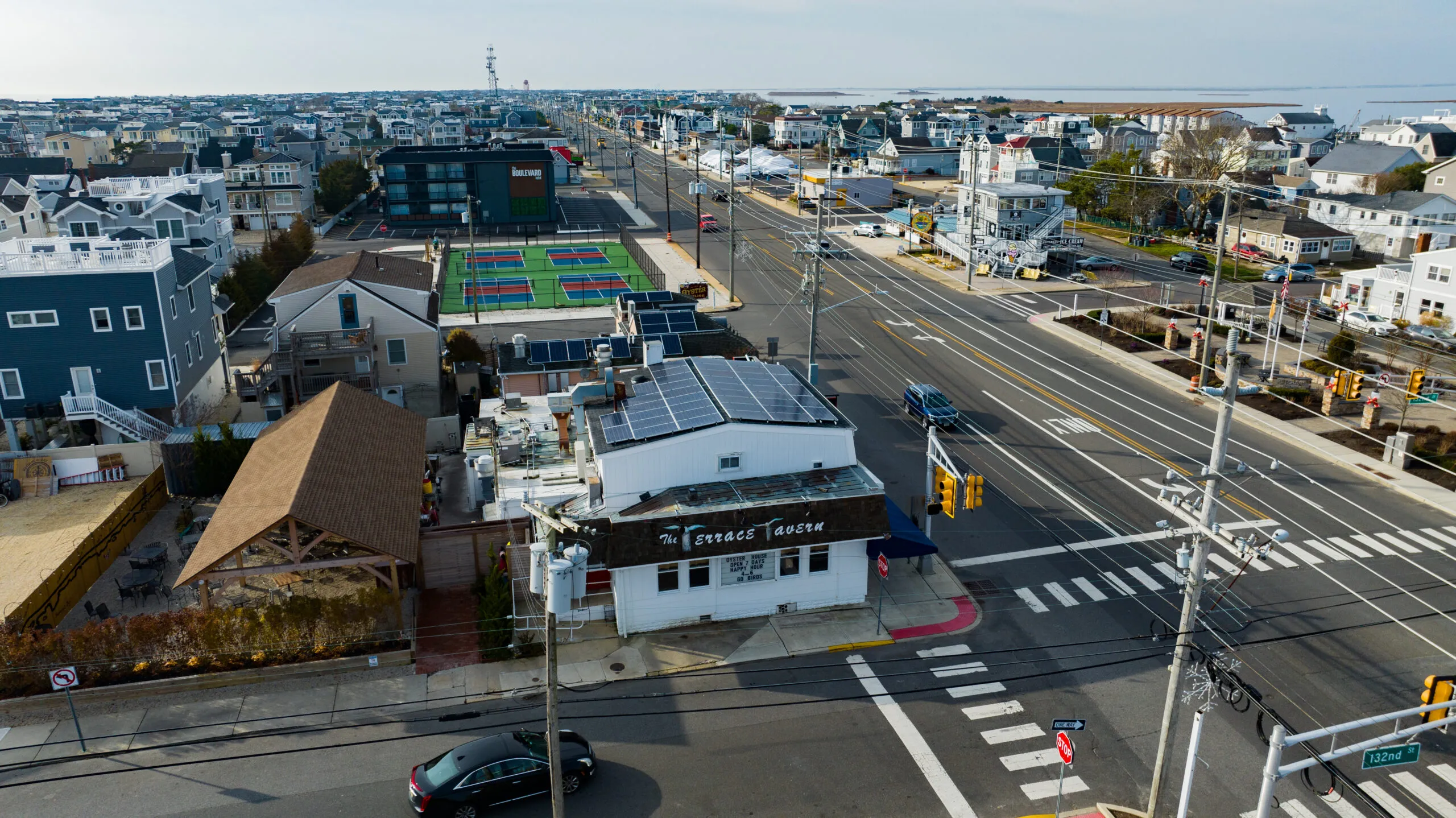
Market Landscape
Why LBI Commercial Real Estate Is Different
Commercial real estate on LBI is a small, specialized market. Inventory is limited, land values are high, and for many businesses, a meaningful share of annual revenue is concentrated in the summer months.
That means value goes well beyond square footage. Location, visibility, walkability, parking, permitted use, and proximity to established shopping, dining, and beach traffic can all influence both business performance and property value.
- Seasonal demand: Many businesses generate a significant portion of annual revenue during a short summer season.
- Limited supply: Commercial land and available properties are limited.
- Tourism traffic: A large seasonal population creates strong demand for retail, dining, hospitality, and service businesses.

How we can help: We help you understand how LBI's seasonality, limited supply, and tourism economics affect any property you're considering.
Asset Types
Types of Commercial Real Estate on Long Beach Island
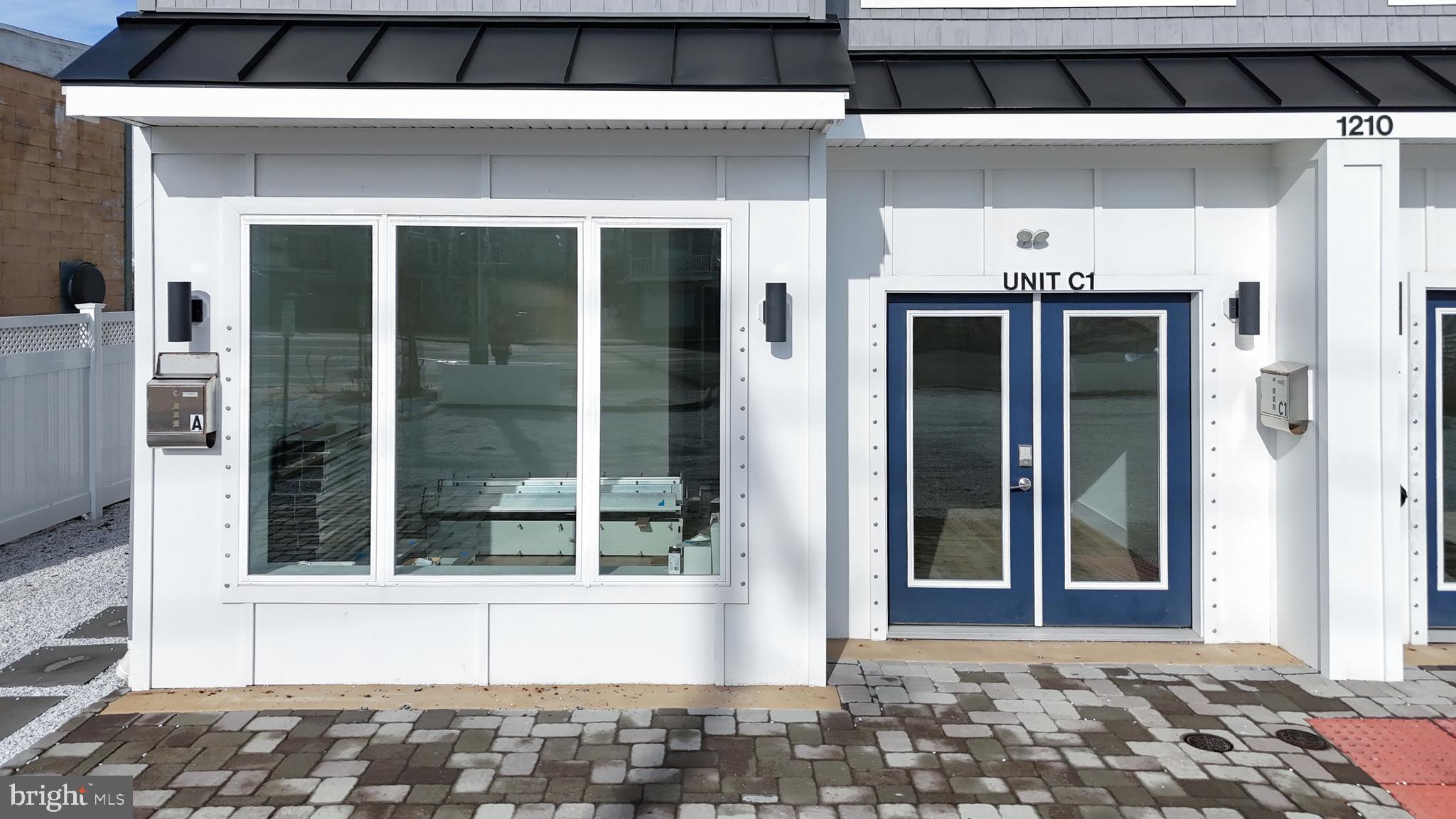
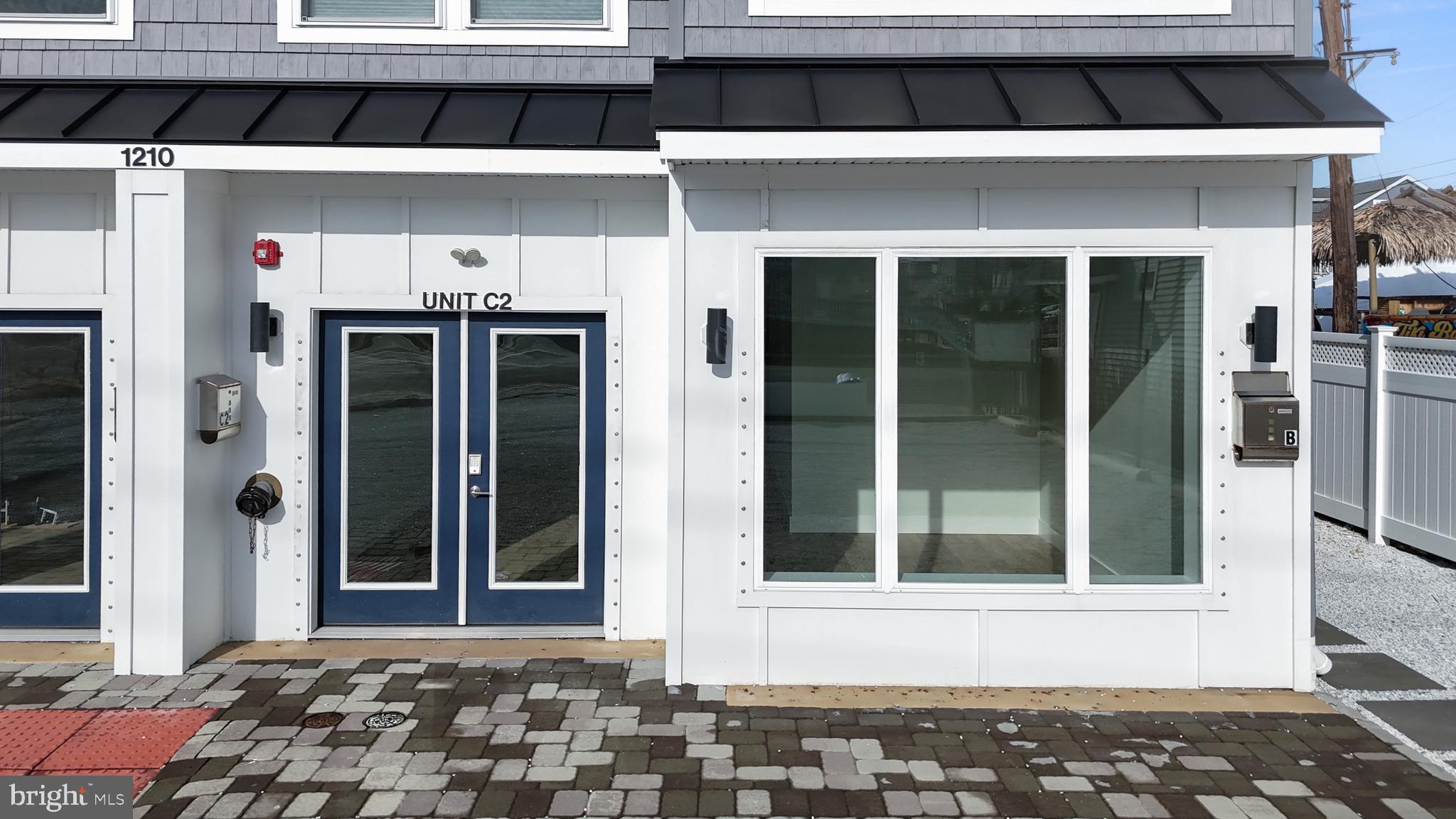
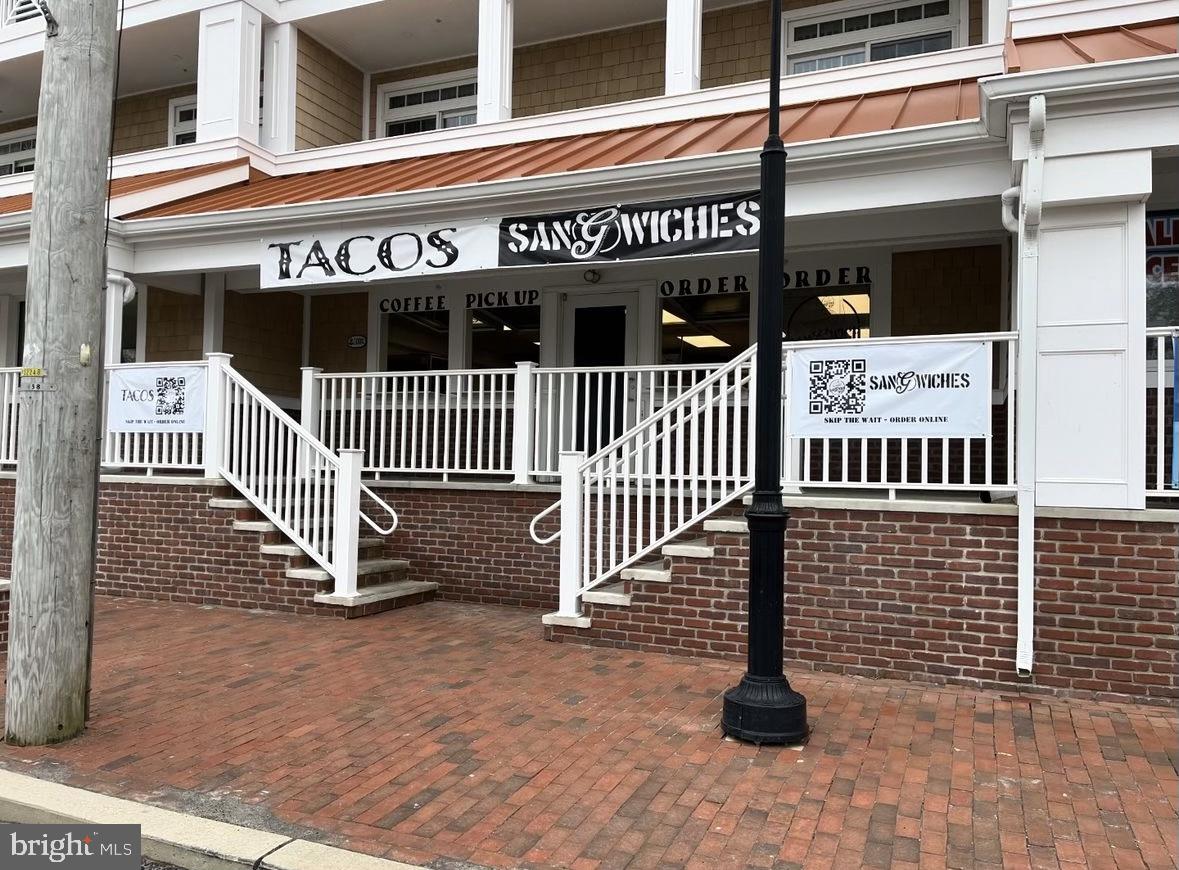
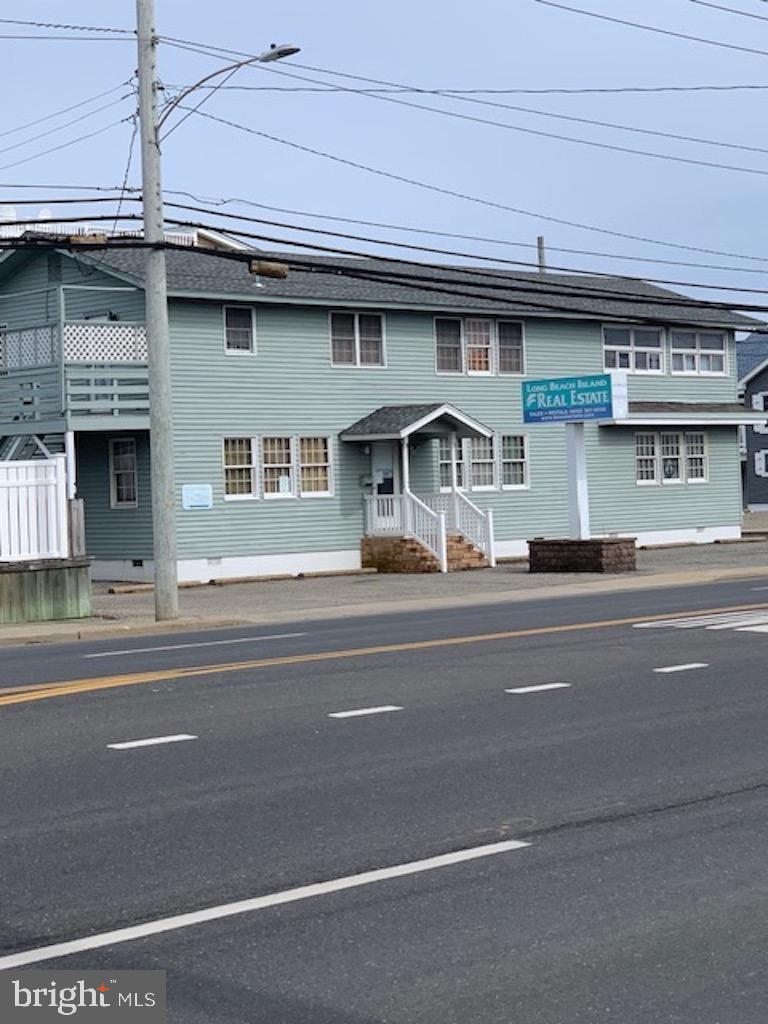
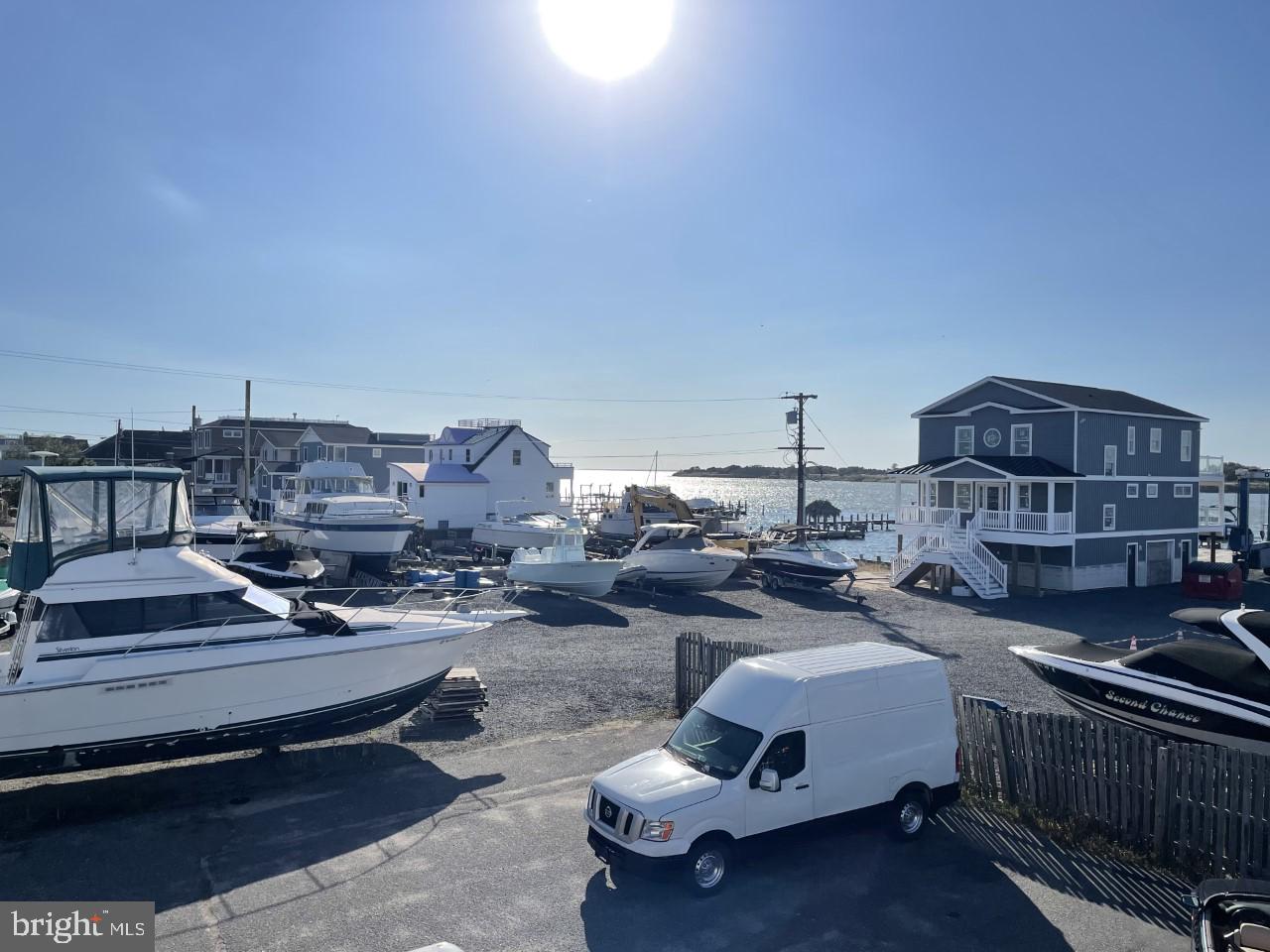
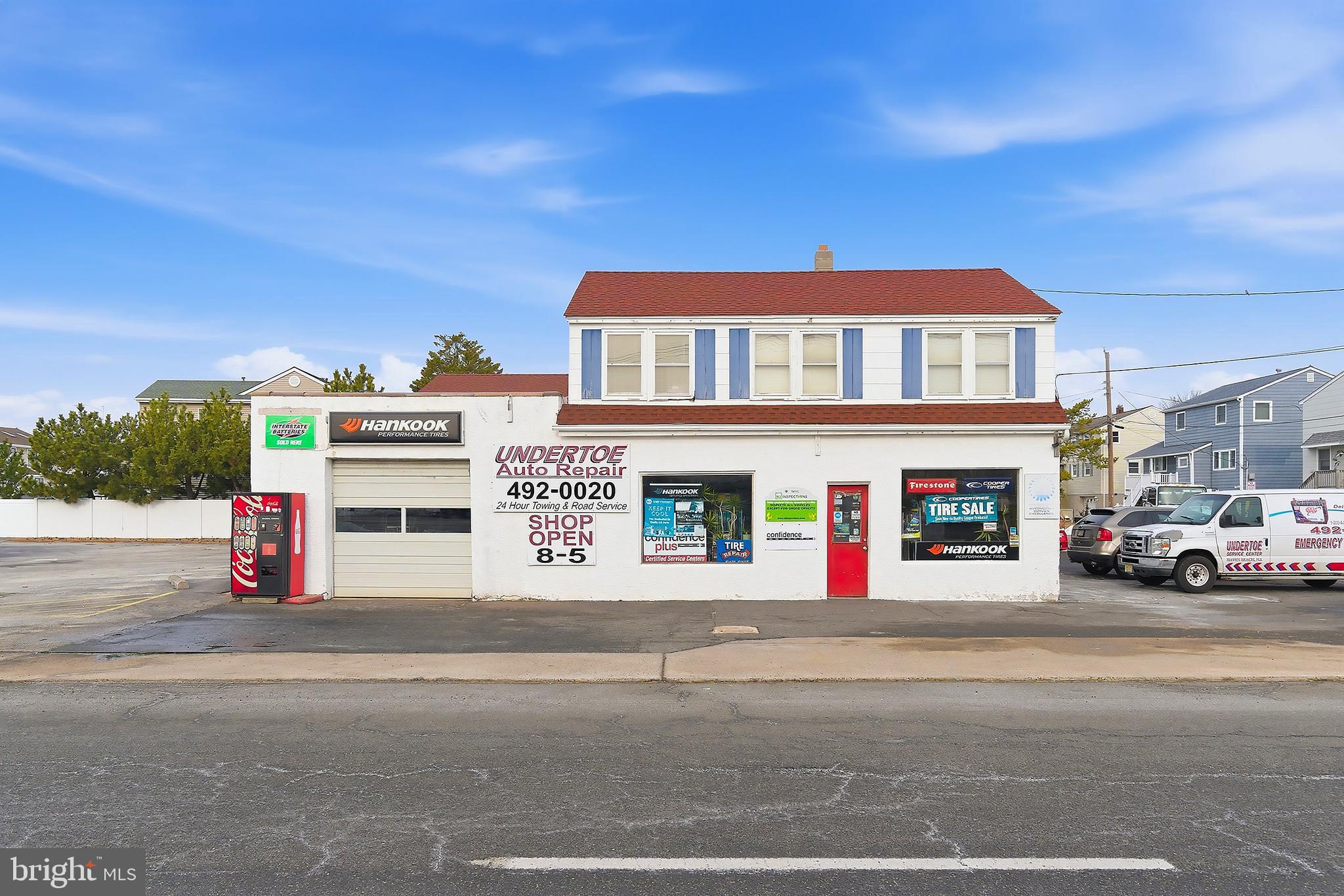
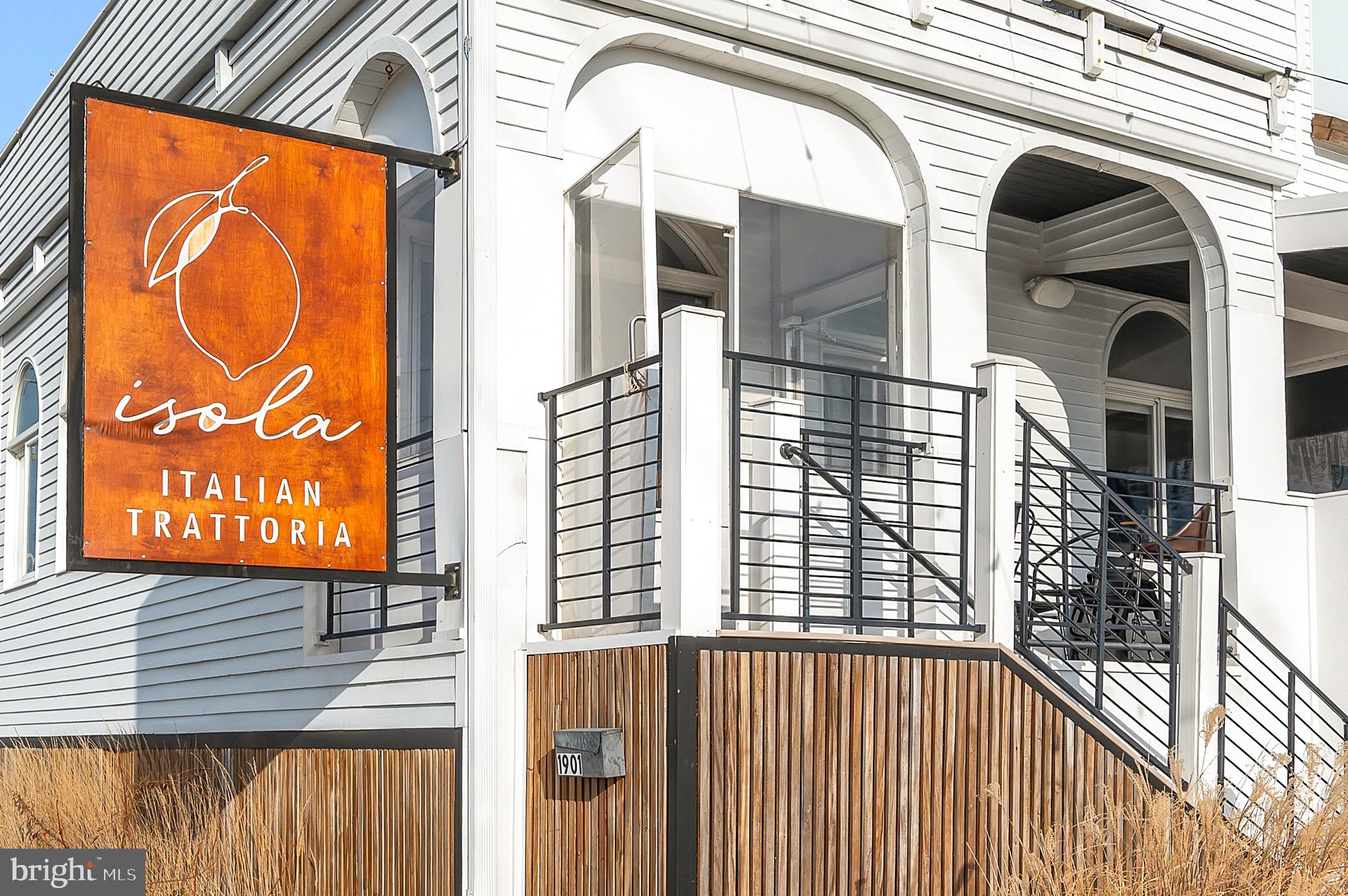
Commercial opportunities on LBI range from storefronts and restaurants to professional offices, mixed-use buildings, and redevelopment opportunities. Each has different performance drivers.
Retail performance can vary significantly by location, with walkability, visibility, neighboring businesses, and traffic patterns often as important as the space itself.
- Street frontage and visibility
- Pedestrian and vehicle traffic
- Parking and accessibility
Restaurant properties require additional consideration around layout, infrastructure, licensing, parking, and the ability to handle peak-season volume.
- Indoor and outdoor seating
- Kitchen layout and infrastructure
- Customer pickup and parking flow
Professional uses tend to be less dependent on tourism and benefit from LBI's year-round and second-home population.
- Convenient parking
- Accessibility and functional layout
- Signage and visibility
Mixed-use properties combine commercial and residential space, creating multiple potential income streams within one property.
- Diversified income
- Greater flexibility
- Long-term value supported by multiple uses
How we can help: We look at the performance drivers of each property type and help you evaluate which may fit your plans and your numbers.

Acquisition Options
Purchasing vs Leasing on LBI
On LBI, the buy-versus-lease decision often starts with a simple question: what's actually available?
Commercial lease inventory on LBI is typically limited. Opportunities can surface throughout the year as businesses make decisions about future seasons, so availability often plays a major role in the buy-versus-lease decision.
Purchasing can provide more options and greater control. Ownership allows a business to secure its location, build equity, participate in the property's long-term appreciation, and reduce the uncertainty that can come with future lease renewals.
Leasing requires less upfront capital and can make sense for a newer concept looking to establish itself and better understand its seasonal revenue before purchasing. On LBI, availability is often part of the challenge.
Regardless of the approach, lease terms, permitted uses, financing, occupancy costs, and long-term plans should all be considered before making a decision.
How we can help: We monitor sale and lease opportunities across the island and help you weigh availability, economics, and timing as options come to market.
Location Strategy
Prime Location vs Secondary Location
Two similar commercial spaces can perform very differently based on location.
Prime corridors generally command higher rents and values but offer stronger visibility, pedestrian activity, and impulse traffic. Secondary locations can offer lower occupancy costs but may depend more heavily on an established customer base or destination-driven business.
- Visibility: Exposure from major roads and pedestrian routes
- Parking: Convenience during peak summer congestion
- Access: Ease of entering and exiting the property
- Signage: Ability to capture passing traffic
How we can help: We evaluate visibility, parking, access, and signage to understand what a location will actually deliver for your business.
Owner-User vs Investment
Two Different Ways to Look at Value
A business owner and an investor may evaluate the same property very differently.
For an owner-user, purchasing can provide greater control over an important business location while allowing money that would otherwise go toward rent to help build equity.
Commercial real estate on LBI has historically tended to appreciate at a slower rate than residential real estate, but appreciation is only part of the return. Owners can still benefit from increasing property values, principal paydown, and the equity accumulated over years of ownership.
For investors, income and cash flow can play a larger role. Tenant quality, lease structure, operating expenses, financing, and long-term property value all become important parts of the equation.
How we can help: We analyze both sides of the equation: the economics of operating the business and the economics of owning the real estate.
Investment Analysis
Understanding the Numbers Behind the Property
This is where our finance and analytics backgrounds matter. We combine the numbers with our knowledge of the LBI market so you can see how a property actually works before making a decision.
- Income & Expenses: Rents, taxes, insurance, maintenance, utilities, and ownership costs
- Return Analysis: Cash flow, cap rate, financing, principal paydown, equity growth, and long-term returns
- Property Comparisons: Side-by-side analysis of different properties and potential uses
- Long-Term Value: Appreciation, land value, location, zoning, and redevelopment potential
We want you to see the full picture: what the property can produce, what it costs to own, how financing changes the return, where the risks are, and how it compares with your other options.
How we can help: Have a property in mind? We'll lay out the income, major expenses, financing, annual hold cost or cash flow, and projected returns so you can better understand how the opportunity works.
Due Diligence
The Building Is Only Part of the Decision
On LBI, what you can do with a commercial property can be just as important as the building itself. Zoning, permitted uses, parking, existing leases, flood considerations, licensing, and redevelopment restrictions can all affect an opportunity.
- Zoning and permitted uses
- Existing leases and tenant obligations
- Parking and occupancy
- Flood and insurance considerations
- Licensing requirements
- Renovation and redevelopment potential
We help identify these considerations early and coordinate with the appropriate attorneys, engineers, architects, municipalities, and other professionals when specialized guidance is needed.
How we can help: We flag zoning, flood, licensing, and lease issues early, before they become expensive surprises at the closing table.

Development Trends
Why Mixed-Use Can Make Sense on LBI
With land values as high as they are on LBI, getting more than one use out of a property can improve the economics in the right situation.
Combining commercial space with residential units creates multiple potential income streams. Residential income can help offset ownership costs or seasonal fluctuations, while the commercial component provides additional income or a location for an owner-operated business.
- Multiple revenue streams
- Greater income diversification
- Flexibility for owners and investors
How we can help: We can model the combined residential and commercial income of any mixed-use property you're evaluating.
Final Thoughts
Commercial real estate on Long Beach Island sits at the intersection of business, real estate, and investment. A strong location for one business may not make sense for another, and a good property still needs to work for the specific business or investment plan.
With limited inventory, limited lease opportunities, high land values, and a seasonal economy, each opportunity needs to be evaluated on its own merits.
Our job is to give you the market context and the numbers so you can make that decision with as much information as possible.
Questions About LBI Commercial Real Estate?
Whether you're looking to buy, lease, evaluate an investment, or understand what a commercial property you already own is worth, we can help you work through the market and the numbers.
Call or Text 609.467.4061The Guarino Team

Our backgrounds are in finance and analytics, but our focus is LBI. We combine that experience with deep knowledge of the island's real estate market to help clients understand value, income potential, ownership costs, and long-term opportunity. The goal is simple: give you the information and local context you need to make a better decision.

The Highest Transaction Office on Long Beach Island
In 2026, two of Long Beach Island's most established real estate teams, the Freeman Group and the Guarino Team, joined forces to form Freeman & Company. The merger was built on a shared conviction: that the LBI real estate experience could be redefined through elevated service, deeper financial resources, broader experience, and a more genuine standard of care.
Today, Freeman & Company is the highest-transactioned office on Long Beach Island and, by design, one of the smallest by agent count: a deliberately compact team working from offices in Beach Haven and Harvey Cedars.
The Guarino Team is proud to be a founding part of this firm, and is the highest-transacted buyers team on LBI.*
*Through Q2 2026 · Source: Bright MLS